
Callahan County Jail Violates a Rule Covered in the Sandra Bland Act
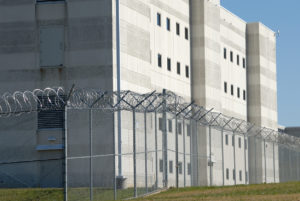
After an October 22, 2025, special inspection, the Callahan County Jail in Baird, Texas, was cited for the violation of one minimum jail standard. As a result, the jail is now listed for non-compliance on the Texas Commission on Jail Standards (TCJS) website. In addition, TCJS sent the Callahan County Sheriff’s Office a notice of noncompliance dated October 29, 2025. The TCJS inspector conveyed the following about the alleged minimum standard violation of Rule §273. 5(a)(2)-Mental Disabilities/Suicide Prevention Plan – Identification:
- Five inmate files were reviewed, and it was discovered that, on behalf of three inmates, proper notification was not made to the magistrate or Local Mental Health Authority in compliance with CCP 16.22.
Learn about the significance of this rule in connection with the protection of vulnerable inmates such as 28-year-old Sandra Bland. Ms. Bland’s suicide by hanging in Waller County Jail on July 10, 2015, ultimately led to changes in Texas jail requirements through the adoption of the Sandra Bland Act, which encompasses compliance with CCP 16.22.
The Callahan County Jail is at 432 Market Street, Baird, Texas 79504. The inmate capacity in the Baird jail is 10.
The Legal Importance of CCP Article 16.22 in Protecting Vulnerable Detainees in Texas Jails
Texas Code of Criminal Procedure (CCP) Article 16.22 plays a critical role in safeguarding the rights and well-being of jailed individuals who may have a mental illness or intellectual disability. This statute requires early screening and prompt assessment so that magistrates and criminal justice personnel can identify inmates with potential mental health needs and take appropriate action. When a jail or law enforcement agency fails to comply with Article 16.22, the results can be legally significant and potentially dangerous for the person in custody.
A key purpose of Article 16.22 is to ensure that detainees are evaluated by a qualified mental health professional rather than being treated as typical inmates. Without this assessment, individuals may be housed in settings that are unsafe or inappropriate, leading to deterioration, untreated medical needs, or worsening psychiatric symptoms. In some cases, failure to identify mental health conditions has been linked to self-harm, suicide, and conflicts with staff or other inmates—events that could give rise to claims involving negligence or violations of constitutional rights.
Noncompliance with Article 16.22 can also affect an inmate’s legal case. Information from the assessment may influence decisions about bond conditions, competency to stand trial, or the possibility of diversion into treatment instead of continued incarceration. When this process is ignored, inmates may face unfair legal proceedings, prolonged confinement, or harsher outcomes that do not reflect their medical needs.
Additionally, Article 16.22 helps establish continuity of care by ensuring that relevant mental health information follows the individual through the criminal justice system. A violation can create dangerous gaps in treatment history, increasing the risk of medical neglect or inappropriate placement.
Ultimately, failure to follow CCP Article 16.22 may expose agencies to legal scrutiny and undermine the humane treatment owed to vulnerable individuals in custody. Families concerned about neglect or mistreatment related to mental health needs may benefit from speaking with a lawyer experienced in custodial rights and jail negligence cases.
Legal Support for Families Impacted by Jail Neglect or Mistreatment
Being held in a city or county jail does not erase a person’s constitutional rights. Jails and detention facilities have a legal duty to provide reasonable safety and access to necessary medical care. When that duty is breached—whether through ignored medical needs, physical mistreatment, or other forms of negligence—the consequences can be devastating, and those responsible may be held accountable under the law.
If you believe a loved one’s death in custody was connected to abuse, medical neglect, or substandard care, the Law Offices of Dean Malone, P.C. may be able to assist. Our firm is dedicated to cases involving in-custody deaths and works closely with families to evaluate what happened, identify possible failures, and pursue justice through the legal system.
Call, text, or contact us through our secure online form 24/7 to request a free case evaluation. Helpful information is immediately available on our website; go to our “Resource” tab and click on “Jail Deaths Family Guide” for access.
 smchugh
smchugh
smchugh