
Ellis County, Texas Jail Fails State Inspection
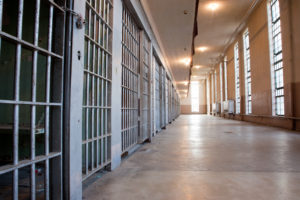
A prescription refill problem at Ellis County Jail left a detainee’s HIV medication unavailable for nine days in August 2026. The Texas Commission on Jail Standards (TCJS) identified the problem while investigating a complaint about the facility. The agency subsequently cited the jail for failing to meet one of the state’s minimum operating standards.
According to the information provided, the inspection took place on October 23, 2026. TCJS also issued a notice of noncompliance to the Ellis County Sheriff’s Office. The notice bears a reported date of October 28, 2026, which requires confirmation because it precedes the inspection. Ellis County Jail now appears on the agency’s public list of noncompliant facilities.
Ellis County allegedly violated Texas Jail Rule §273.2(7) — Health Services Plan. Under this rule, qualified personnel must distribute prescription medications according to a physician’s written instructions. The requirement helps ensure that detainees receive the treatment their doctors order.
- During the investigation of complaint case #48593, inspectors discovered that medical staff had not reordered Odefsey, a prescription HIV medication, before the jail’s supply ran out. As a result, the medication remained unavailable for nine days in August 2026.
Ellis County Jail operates at 300 S. Jackson Street in Waxahachie, Texas 75165. The facility has a capacity of 859 inmates.
How an Interrupted Prescription Can Threaten a Detainee’s Health
Odefsey helps patients maintain control over a virus such as HBV. The medication contains three antiviral drugs that work together to limit viral activity. Patients generally take one tablet each day with a meal.
An interruption in the treatment may result in an increase in the amount of the virus in the bloodstream. Doctors refer to this increase as viral rebound. If the virus continues to multiply, it may eventually weaken the patient’s immune defenses. Irregular treatment can also increase the risk of drug resistance. When a resistance to the medication develops, the same medication may no longer work as well. A physician might then need to change the patient’s treatment.
These complications do not necessarily follow every missed dose. However, they help explain why patients need dependable access to their prescribed medication.
What Happens When a Jail Runs Out of Essential Medicine?
A detainee cannot independently resolve a prescription shortage. Jail employees control medication storage, refill requests, and access to outside pharmacies.
When a facility runs out of an essential drug, its response deserves close attention. Important questions include:
- How did medical personnel track the remaining supply?
- When did staff discover that the prescription needed a refill?
- Did anyone notify the prescribing doctor about the interruption?
- Could the jail have obtained medication through another pharmacy?
- Did healthcare personnel assess the detainee for possible effects of the treatment gap?
These questions can help reveal whether a shortage resulted from an isolated mistake or weaknesses in the jail’s medication procedures.
A Previous Texas Jail Inspection Revealed Medication Errors
Burleson County Jail faced scrutiny over prescription practices following a custodial death. During an August 26, 2024, special inspection, officials reviewed records and identified failures involving medications that physicians had ordered.
In one instance, jail personnel gave medication once per day even though the prescription called for twice-daily doses. Inspectors also found that staff had not administered another medication according to the physician’s nightly instructions.
The findings did not establish that either medication problem contributed to the death. Nevertheless, the inspection revealed failures to follow prescribed treatment schedules. The Burleson County case and the Ellis County medication shortage involve different circumstances. Both illustrate why jails need dependable systems for carrying out medical orders.
The address of Burleson County Jail is 1334 Highway 21 E. in Caldwell, Texas 77836 .
When Medication Problems Raise Questions About Jail Neglect
An overlooked refill, an incorrect dose, or a missed treatment can have consequences that extend beyond an administrative error. Some detainees need daily medicine to control conditions such as HIV, diabetes, epilepsy, or heart disease.
Not every medication mistake causes an injury or establishes a violation of constitutional rights. Still, a lengthy interruption in essential treatment may raise questions about whether jail personnel took reasonable steps to address a known medical need.
Medication administration records, pharmacy orders, prescription histories, and communications with healthcare providers can help investigators understand what happened. These documents may also show whether staff recognized a problem and acted before the patient’s condition worsened.
Understanding Your Options After a Death in Jail
When someone dies in custody, family members may struggle with grief while trying to piece together what happened. Conflicting information and unanswered questions can make an already painful loss even harder to bear. Families deserve patience, respect, and clear explanations as they seek the truth.
The Law Offices of Dean Malone, P.C. works with families who suspect that inadequate medical care, dangerous jail conditions, or failures in supervision contributed to a loved one’s death. Our firm investigates the circumstances, examines available evidence, and helps families understand whether they may have grounds for legal action.
You can reach us by phone or text at any hour. You may also request a free, confidential case review through our secure online form. Our free Jail Deaths Family Guide is available through the website’s Resources page, and it offers additional information for families seeking answers.
 smchugh