
Inmate Gretchen Brown Dies in a Hardin County Texas Hospital
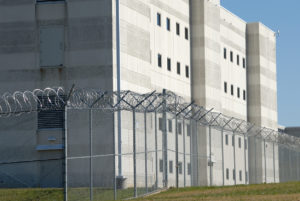
Gretchen Devon Brown, 38, was booked into Hardin County Jail in Kountze, Texas, on October 4, 2025. Tragically, she died before another 48 hours had passed. Very little is revealed in the custodial death report (CDR) about Ms. Brown that was filed by the Hardin County Sheriff’s Office (HCSO) on October 22, 2025.
The HCSO conveyed the following in the CDR’s very brief summary of how the death occurred:
- Ms. Brown experienced a medical episode inside the jail. Lifesaving measures were provided. Emergency Medical Services (EMS) arrived and transported Ms. Brown by ambulance to a hospital. Upon arrival at the medical facility on October 6, 2025, Gretchen Brown was pronounced deceased. An autopsy was performed, and the results are awaited.
None of the questions in the report evoked a clue as to whether Ms. Brown received medical treatment in the brief time she was at the jail, or what types of symptoms accompanied her medical emergency.
The address of Hardin County Jail is 300 W Monroe Street, Kountze, Texas 77625. The jail has a 196-bed capacity.
Do Jails Provide Medical Support to Inmates Suffering from Withdrawal?
Anytime a jail death occurs within the first hours of incarceration and the press release about the death gives no clues about the possible cause, one potential reason that naturally comes to mind is that the individual died because of symptoms of withdrawal. Unfortunately, withdrawal deaths in jail are not uncommon.
If it were known that a jail inmate struggled with addiction, he or she should have been placed in the detox unit, where heightened supervision is provided. Whether or not a person with a substance abuse disorder (SUD) was housed in a detox cell when they quickly died behind bars, it is important to investigate the circumstances that surrounded the death. If a jail has denied medical care when it was necessary during withdrawal and the inmate dies, those responsible should be held accountable.
Lindsay Kronberger Died in Washington’s Snohomish County Jail During Opiate Withdrawal
In January 2014, 24-year-old Lindsay Kronberger was booked into Snohomish County Jail. While there, she suffered severe symptoms of opiate withdrawal. In the nine days preceding her death, Ms. Kronberger showed signs that she was experiencing heroin withdrawal symptoms, including diarrhea and vomiting. She reportedly lost 8 pounds and became so weak she could barely walk. Yet, she was denied medical care.
In desperation, Ms. Kronberger repeatedly begged to be taken to a hospital, but jail reports show that the jail staff felt that it was unnecessary. There is no mention of any treatment she was provided.
- After the tragic death of Lindsay Kronberger, an autopsy showed that her cause of death was a severe electrolyte imbalance due to opiate withdrawal while in the Snohomish County Jail’s custody.
Ms. Kronberger’s death was likely preventable because she probably had severe dehydration, which is among the primary underlying causes of an electrolyte imbalance that can lead to death.
The address of the Snohomish County Jail in Birmingham is 3000 Rockefeller Ave, Everett, Washington 98201. The jail has a bed capacity of 875.
Compassionate Legal Support Following a Jail Death
Correctional facilities are responsible for protecting the safety and health of every individual in their custody. If you suspect that your loved one’s death while in jail resulted from abuse, neglect, or a failure to provide adequate medical treatment, the Law Offices of Dean Malone, P.C. may be able to assist. Our team has substantial experience handling inmate neglect and wrongful death cases, including those involving suicides and medical neglect.
Don’t delay. Contact us anytime—day or night—by phone, text, or through our secure online form.
 smchugh
smchugh
smchugh