
Jarel Walker-Webb, 20, Dies in Florida’s Clay County Jail
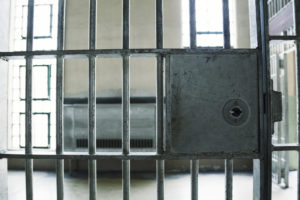
Inmate Jarel Walker-Webb was incarcerated in Clay County Jail, Florida, when, on July 30, 2025, he experienced some type of medical emergency. At 9 a.m. that morning, fellow inmates alerted detention deputies that Mr. Walker-Webb appeared to be ill and unresponsive.
Deputies entered Mr. Walker-Webb’s cell and began administering lifesaving measures. They continued until personnel from Fire and Rescue relieved them. Although efforts to revive Mr. Walker-Webb continued, they were unsuccessful. Jarel Walker-Webb was only 20 years old when he was pronounced deceased in Clay County Jail. According to Green Cove Springs FL news, the young man’s cause of death is unknown. No signs of trauma were apparent.
The Florida Department of Law Enforcement and the Medical Examiner’s Office will work in conjunction with one another as the primary investigating agencies.
The address of Clay County Jail is 901 N Orange Ave, Green Cove Springs, FL 32043.
Why it is Risky to be in Jail with a Dire Need for Medical Treatment
Sheriffs are usually the individuals responsible for ensuring that county jails take seriously their duty to provide for the care and well-being of inmates. Jail staff are the ones who have daily contact with detainees. Alarmingly, after custodial deaths in jail settings, it is often revealed that jail staff, including medical personnel, routinely ignore or show indifference to the health problems of inmates.
With marked cruelty, jail staff show utter indifference to inmates who are clearly dying or desperately in need of medical care. After custodial deaths occur, investigations bring out the facts. Medical examiners sometimes rule an inmate’s death a homicide because the jail failed to secure medical treatment for someone helpless to obtain that medical attention for themselves. One tragic example follows.
Keith Galen Bach’s Death Inside San Diego Central Jail is Ruled Homicide
When 63-year-old Keith Galen Bach entered San Diego Central Jail, he informed officers that he had type 1 diabetes. During the booking process, he informed medical personnel that he was going to run out of insulin the next day. His wife reportedly went to the jail to implore the deputies to administer his insulin. She had been receiving notifications on her phone about the insulin pump. The beeping of the pump could be heard by other inmates during mealtimes.
Deputies discovered Mr. Bach unresponsive, and it was determined that he had been deceased for hours. The medical examiner’s (ME’s) report states that Mr. Bach developed diabetic ketoacidosis and died after insufficient insulin administration while he was in the custody of the San Diego jail. The ME ruled Mr. Bach’s death a homicide and cited neglect.
The address of San Diego Central Jail, the state’s largest jail, is 1173 Front St, San Diego, CA 92101.
Jail medical staff are surely aware that when a person with type 1 diabetes doesn’t get their insulin, the natural outcome is that the deadly condition diabetic ketoacidosis will develop. Because of the urgency of this type of situation, non-medical jail staff should know about this threat to life, as well. Inexcusably, despite the obvious threat to inmates’ lives, jails will allegedly fail to provide medical treatments as a rule because of the costs involved.
 smchugh
smchugh
smchugh