San Patricio County Jail Fails State Inspection
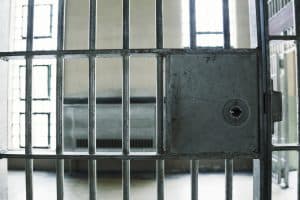
The San Patricio County Jail in Sinton, Texas, was inspected on October 1, 2025, and a follow-up notice of noncompliance was sent on March 4, 2026. An inspector with the Texas Commission on Jail Standards (TCJS) found, upon review on February 13, that 8 violations remain of the 14 previously discovered regarding life safety Rule §263.55-Inspections, Maintenance, Testing. This requirement involves ensuring that all life safety equipment is safe, secure, and always fully operational. The jail is currently listed on the TCJS website along with other Texas non-compliant jails.
Life Safety Equipment Commonly Required in Texas Jails
Among the minimum jail standards that Texas county and municipal jails are required to comply with, TCJS sets specific guidelines for safety, medical care, and emergency preparedness. While exact requirements vary by facility, jails are generally expected to maintain readily accessible life-saving equipment, including:
- Automated External Defibrillators (AEDs) for cardiac emergencies
- First aid kits and emergency medical supplies
- CPR masks, oxygen, and resuscitation equipment
- Suicide prevention tools, such as rescue hooks or cut-down devices
- Emergency communication systems (radios, alarms)
- Fire safety equipment, including extinguishers, smoke detectors, and sprinkler systems
- Stretcher or transport equipment for medical response
- Access to on-site or on-call medical personnel
In addition, staff are typically required to be trained in CPR, first aid, and emergency response procedures, and to perform regular welfare checks on inmates.
Legal Implications When a Death Occurs
If an inmate dies after an emergency in which required and needed safety equipment was unavailable, not functioning, or not used properly, serious legal consequences may follow.
Constitutional Claims: Under the Fourteenth Amendment (for pretrial detainees), failure to provide reasonable medical care or emergency response may constitute unlawful conduct. Courts often examine whether officials acted with “deliberate indifference” or objective unreasonableness.
Negligence and Wrongful Death: Families may bring claims under Texas law if faulty equipment, poor training, or denied medical care contributed to the death.
Policy and Compliance Violations: Failure to meet TCJS standards—such as lacking AEDs or not maintaining emergency equipment—can support evidence of systemic deficiencies.
Causation Matters: Legal liability often hinges on whether the timely use of proper medical equipment (e.g., AED or airway support) could have prevented the death.
In short, when life-saving tools are missing, ignored, or misused, a jail may face significant civil liability, especially if the death was preventable with appropriate emergency preparedness.
The San Patricio County Jail is at 300 S Rachal St, Sinton, Texas 78387. The jail has a 236-inmate capacity.
San Patricio County Jail Recently Violated Other Minimum Jail Standards
Overcrowding
In addition to the violation mentioned above, another notice of noncompliance was sent to the San Patricio County Jail in 2025 regarding the October 1 inspection. The cited violation concerned jail overcrowding, noting that there were 37 more inmates than the approved capacity at the Sinton Jail on September 30, 2025.
- Overcrowding in county jails can create dangerous conditions that place inmates at heightened risk of serious harm or death. Limited staff and resources may delay access to emergency medical care, reduce monitoring, and strain medical services. Infectious diseases can spread more easily in confined spaces, while chronic conditions may go untreated. These conditions can support claims of unconstitutional confinement if officials fail to address known health risks.
Prescriptions Were Not All Distributed
On September 5, 2025, the San Patricio County Jail was cited for one violation discovered during a September 3 inspection. A TCJS inspector found that 87 of 1,107 distributions of prescribed medication for inmates were not completed between February 2025 and June 2025.
- Failure to provide prescribed medications in a county jail can place inmates at serious risk of harm or death. Missed doses may trigger withdrawal, seizures, cardiac events, or psychiatric crises, depending on the condition being treated. Inmates with diabetes, heart disease, or mental illness are especially vulnerable. Legally, denying necessary medication may constitute deliberate indifference to serious medical needs, exposing a facility to civil rights liability and potential wrongful death claims if preventable harm occurs.
Legal Assistance for Families Following a Jail Death
Being held in jail does not deprive a person of their constitutional rights. County and municipal detention facilities have a legal duty to ensure reasonably safe conditions and provide timely, adequate medical care. When those responsibilities are not fulfilled—whether due to delayed treatment, ignored medical concerns, or other failures—the consequences can be severe and may support legal claims.
Families who experience the loss of a loved one in custody are often left searching for clarity. If you believe that medical neglect, unsafe jail conditions, or mistreatment may have played a role in such a loss, the Law Offices of Dean Malone, P.C. may be able to help. Our firm focuses on in-custody death cases, examining the facts, reviewing relevant records, and assessing whether the legal standards were not met.
We are dedicated to helping families better understand their rights and options while pursuing accountability where appropriate. You can reach our office 24/7 by phone, text, or through our secure online form to request a free and confidential case review.
You can also find helpful materials on our website. Visit the “Resources” section to access the Jail Deaths Family Guide, which explains what families may expect and outlines potential next steps after a custodial loss.
 smchugh
smchugh
smchugh