
Washington Inmate Stasha Wiltfong Dies in a Pierce County Cell
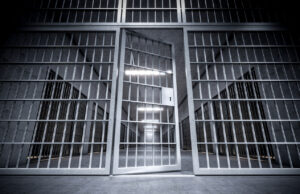
In news out of Tacoma, Washington, dated December 15, 2025, a woman was declared deceased inside Pierce County Jail.
Authorities are investigating the death of a 31-year-old woman who was found unresponsive inside the Pierce County Jail on Friday, December 12, 2025. The Pierce County Medical Examiner’s Office has identified the deceased as Stasha Lyn Wiltfong, though her official cause of death has not yet been determined.
According to the Pierce County Sheriff’s Office, Ms. Wiltfong was discovered at approximately 9:32 p.m. on Friday during routine cell checks in the jail’s female intake unit within the general population. Officials reported that she was alone inside a two-person cell at the time she was found. Jail staff immediately initiated emergency response efforts, including cardiopulmonary resuscitation (CPR) and the use of an automated external defibrillator (AED).
Fire department personnel arrived at the facility at approximately 9:41 p.m. and assumed medical care. Despite these efforts, Ms. Wiltfong was pronounced deceased at the jail shortly thereafter. Detectives with the Sheriff’s Office responded to conduct a formal death investigation, which is standard procedure following an in-custody fatality. Mental health staff were also contacted to provide support services to other incarcerated individuals housed in the unit.
Public records indicate that Ms. Wiltfong was arrested in Puyallup on December 10. Court documents suggest that a judicial officer ordered her release on the afternoon of December 11, though officials have not clarified whether that release occurred prior to her placement in Pierce County Jail.
The investigation remains ongoing, and additional information is expected following completion of the medical examiner’s review.
The address for the Pierce County Jail (Detention & Corrections Center) is 910 Tacoma Ave S, Tacoma, Washington 98418. The jail has a budgeted capacity of 1,300 beds, though the facility is designed to hold up to 1,800 inmates.
Potential Effects of Jail Understaffing in Washington’s Pierce County Jail
In a September 2025 news report, the Pierce County Sheriff’s Office stated that the Pierce County Jail was in “terrible” condition. Among the problems he identified was understaffing, and he also provided reporters with a tour of the jail facilities. One need only focus on jail understaffing to identify potential risks that could affect inmates.
Chronic understaffing in county and municipal jails creates dangerous conditions that can directly harm incarcerated individuals. When facilities lack sufficient personnel, nearly every aspect of daily jail operations is disrupted—often resulting in delayed medical care, prolonged isolation, increased violence, and serious threats to inmate health and safety. These failures not only endanger lives but may also expose counties and contractors to significant legal liability.
Disruption of Daily Life and Essential Services
When jails are short-staffed, routine operations are often replaced with emergency measures:
- Extended Lockdowns: Inmates may be confined to their cells for up to 23 hours per day, losing access to recreation, educational classes, work assignments, and religious services.
- Restricted Movement: Access to showers, outdoor yards, chapels, and visitation is frequently limited because there are not enough officers to supervise movement.
- Service Interruptions: Medical, dental, and mental health services are often delayed or unavailable, along with substance-use treatment and rehabilitation programs.
- Basic Necessities at Risk: In extreme situations, incarcerated individuals may struggle to obtain drinking water or be moved to cooler areas during dangerous heat conditions.
Health and Safety Consequences
Staffing shortages can quickly escalate into medical and safety emergencies:
- Mental Health Decline: Prolonged isolation and lack of care increase the risk of depression, psychosis, self-harm, and suicide.
- Medical Neglect: Delayed or denied medical treatment can lead to preventable suffering, including untreated infections, dental emergencies, and life-threatening conditions.
- Increased Violence: Fewer officers mean reduced supervision, fewer searches for contraband, and higher rates of inmate-on-inmate violence.
- Staff Burnout: Overworked staff experience fatigue and trauma, which can impair judgment and further compromise inmate safety.
 smchugh
smchugh
smchugh