A TCJS Memo Reveals New Wording Re Jail Surveillance
The Texas Commission on Jail Standards (TCJS) released Technical Assistance Memorandum #26-06 on June 1, 2026, detailing changes to standards. In seven (7) standards, “closed circuit television” has been amended to “video monitoring.” TCJS says this change is made to better reflect the methodology used in jails.
The following is conveyed regarding video monitoring under New Construction Rules Subchapters B, C, D, E, and H, in rules §259.168, §259.264, §259.358, §259.454, and §259.770, respectively:
Video monitoring may be used to support jail security and operational oversight. Except in medical or special observation settings, camera coverage should not include views of inmate toilets or shower areas in order to preserve privacy.
In the chapter on the supervision of inmates, Rule §275.1-Regular Observation by Jailers has also been changed, and the rule conveys the following:
A sufficient number of detention staff shall be on duty at all times, with jail personnel present at the facility continuously, 24 hours a day. Written procedures must require jailers to conduct and document direct, in-person checks of all inmates at intervals not exceeding 60 minutes.
In housing areas occupied by inmates who are identified as violent, suicidal, mentally ill, or exhibiting unusual or erratic behavior, documented face-to-face observations shall occur at least once every 30 minutes.
The facility must maintain a system that allows inmates to communicate directly with jailers, licensed peace officers, bailiffs, and other authorized personnel through two-way voice communication at all times.
Video monitoring systems may be used to enhance security and monitoring efforts; however, they do not replace the need for face-to-face inmate observations. By August 31, 2020, facilities were required to install electronic monitoring devices or video monitoring camera systems that can document the mandated personal observation checks in designated high-risk cells or housing units.
Lastly, Rule §275.7-Supervision Outside the Security Perimeter–Court Holding Cells has been changed:
Whenever inmates are housed in court holding cells located outside the facility’s secure perimeter, they must remain under the supervision of a licensed peace officer, a jailer certified by the Texas Commission on Law Enforcement, or a bailiff.
The sheriff or facility operator shall maintain written procedures requiring documented, in-person checks of every inmate at intervals not exceeding 30 minutes. These observations must be conducted face-to-face and properly recorded.
Staffing levels must include at least one certified jailer, licensed peace officer, or bailiff on any floor housing 10 or more inmates. In addition, direct supervision staffing may not fall below one jailer, licensed peace officer, or bailiff for every 48 inmates, or portion thereof, assigned to a floor.
Where applicable, inmates must have continuous access to a two-way voice communication system that enables contact with jailers, licensed peace officers, or bailiffs. Video monitoring systems may be utilized to assist with surveillance and security functions; however, they cannot substitute for the required personal inmate observation rounds.
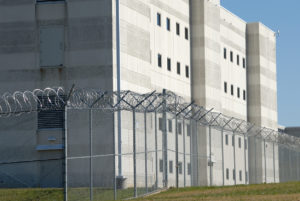
Video monitoring plays a significant role in Texas jails by supporting facility security, inmate safety, and staff oversight. Cameras are commonly placed in housing areas, booking sections, hallways, recreation spaces, and other locations where inmate activity occurs.
A primary function of these systems is to help identify emergencies and security concerns. Surveillance footage may reveal medical crises, suicide attempts, assaults, falls, contraband activity, vandalism, or violations of jail rules, allowing staff to respond more effectively.
Video recordings can also become critical evidence when serious incidents occur. After an inmate death, major injury, suicide attempt, or use-of-force event, investigators often review footage to establish timelines and evaluate whether staff complied with applicable policies and procedures. Recordings may provide insight into inmate conduct, supervision practices, response times, and staff actions surrounding the incident.
Despite their importance, cameras are generally intended to supplement—not replace—required face-to-face observations and direct supervision by jail personnel. Staff may still be obligated to conduct welfare checks, monitor high-risk inmates, and respond promptly to signs of distress.
When surveillance systems are inadequately monitored, malfunction, or fail to cover key areas, opportunities to prevent harm may be lost. Effective jail safety often depends on both reliable video monitoring and active staff supervision.
Legal Assistance Following a Possible In-Custody Negligence Death
Individuals housed in city and county jails retain important constitutional rights while in custody. Detention facilities are responsible for providing necessary medical attention, maintaining reasonably safe conditions, and ensuring that required supervision and monitoring procedures are carried out. When those responsibilities are not met, serious injuries and preventable deaths can occur.
If your family member died while incarcerated and you have concerns that inadequate medical care, unsafe jail conditions, lack of supervision, or other failures contributed to the loss, the Law Offices of Dean Malone, P.C. may be able to assist. Our practice is devoted to cases involving deaths in custody, including matters related to delayed medical intervention, denial of treatment, inmate-on-inmate violence, suicide prevention failures, and operational deficiencies within correctional facilities.
Investigating these cases often requires a detailed review of the available evidence. Our legal team examines medical records, jail reports, surveillance footage, witness statements, facility procedures, and other relevant materials to evaluate whether accepted standards and constitutional obligations were followed. When necessary, independent experts may be consulted to help determine whether different actions could have changed the outcome.
The death of a loved one in custody often leaves families searching for answers. We are committed to helping families better understand their rights, evaluate potential claims, and seek accountability when warranted. To request a free and confidential case evaluation, contact our office anytime by phone, text message, or through our secure online contact form.
 smchugh
smchugh
smchugh